

The Allure of Chance
The unpredictable nature of casino games feeds into the universal human fascination with chance and luck. This allure is psychologically intriguing because it taps into our desire for control and understanding in a world filled with uncertainties. When faced with the randomness of a slot machine or the thrill of roulette, players often feel a rush of adrenaline that enhances their gaming experience, especially when exploring uk casino sister sites that offer even more exciting options. This psychological excitement is a key factor in their willingness to engage and often overspend, as the thrill can override rational thinking.
Moreover, the environment of the casino amplifies this allure. Bright lights, buzzing sounds, and the festive atmosphere create a sensory experience that can lead players to feel euphoric. This environment is designed to keep players engaged and immersed in the experience. The use of colors, such as red for excitement or green for luck, plays a significant role in shaping the emotional responses of gamblers, creating an intoxicating blend of anticipation and desire that keeps them returning for more.
This emotional engagement ties deeply into our cognitive biases. Many players fall prey to the gambler’s fallacy, the belief that past outcomes can influence future results. For instance, if a particular slot machine has not paid out in a while, players might perceive it as ‘due’ for a win, which is a logical misstep. This distorted thinking can lead to increased betting, as players cling to the hope that their luck will change, a testament to how psychological tricks can manipulate behavior in casinos.
The Role of Rewards and Incentives
In casino environments, the concept of rewards plays a significant role in player engagement. Slot machines and table games are often structured to provide intermittent rewards, which can lead to more significant gambling behaviors. This principle, known as variable ratio reinforcement, means that players receive rewards at unpredictable intervals, motivating them to continue playing in hopes of hitting the next jackpot. The unpredictability of the payout enhances the excitement of the game, leading to longer play sessions and increased spending.
Additionally, casinos often implement loyalty programs and bonuses to further entice players. These incentives create a sense of belonging and enhance the players’ experience, making them feel valued and special. For example, a player’s small wins might be celebrated with rewards like free drinks or meal vouchers. This encourages a cycle where players associate their spending with receiving rewards, further entrenching their behaviors and persuading them to return in order to gain more benefits.

However, these rewards are carefully calculated by casino operators, designed to ensure profitability while maintaining player loyalty. By understanding the psychology of rewards, casinos can fine-tune their strategies to increase visitor retention and spending, crafting an environment where players feel driven to chase their next win, often leading them to ignore their budgets and limits.
The Power of Social Proof
Social influences significantly impact gambling behavior. When individuals witness other players winning or enjoying themselves, it triggers a desire to join in on the fun. This phenomenon, known as social proof, influences decision-making and can lead to increased participation in games. For instance, hearing cheers from nearby players can create a magnetic energy, making one feel compelled to try their luck, bolstered by the belief that the same fortune might fall upon them.
Casinos purposely create an environment that encourages social interaction, including areas for group games or communal betting. These settings foster a sense of competition and camaraderie among players, which can amplify the thrill of gambling. The collective excitement can create a ‘bandwagon effect,’ where the more successful players attract others to engage in the same activities, perpetuating the cycle of participation and spending.
Furthermore, marketing strategies often utilize testimonials and visuals of winners to build hype around games, appealing to people’s innate desire to belong to a successful community. Social proof solidifies the belief that not only is the game entertaining, but it also offers the potential for considerable financial gain, reinforcing the allure of continuing with their gambling activities despite potential losses.
Behavioral Patterns and Loss Aversion
Understanding the psychological dimension of loss aversion is crucial when exploring gambling behaviors. Loss aversion refers to the phenomenon where individuals prefer to avoid losses rather than acquiring equivalent gains; the psychological pain felt from losing is more intense than the pleasure obtained from winning. This aspect is particularly pronounced in gambling, where the stakes can be high, and the emotional responses are amplified.
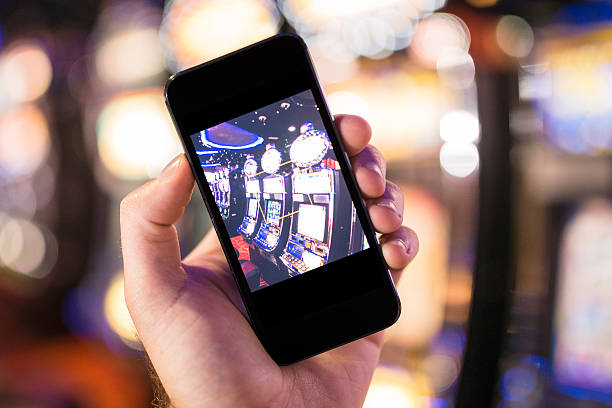
Players often engage in behaviors to minimize their perceived losses, such as chasing losses by continuing to gamble after a setback in hopes of recouping what they lost. This reaction can lead to a cycle of further gambling, as the player becomes trapped in a desire to recover their initial investment. Casinos capitalize on this psychology by creating an atmosphere where continuous play seems more compelling, often by suggesting that players are ‘just one bet away from turning it around’.
This psychological trick can lead to detrimental financial consequences, as individuals may disregard broader strategies for loss management. The allure of potentially overcoming loss keeps players at the tables longer than initially planned, illustrating how deep-rooted psychological factors can overshadow rational financial decision-making in casino environments. Awareness of these patterns can empower individuals to set clearer boundaries and recognize when to disengage from the cycle.
Finding Balance: Responsible Gaming
While engaging with casino games can be thrilling, it’s essential to cultivate an understanding of responsible gaming practices. Awareness of psychological tricks is a pivotal first step toward maintaining a healthier relationship with gambling. By recognizing the influences of chance, rewards, and social dynamics, players can maintain control over their actions and make informed decisions about their gaming habits.
Implementing strategies such as setting strict budgets and time limits can help mitigate the risks associated with gambling. Furthermore, educating oneself about the mechanics of games and the odds involved can contribute to more informed choices. Incorporating mindfulness techniques can also help players remain aware of their emotions and prevent them from falling into the traps of impulsive betting or emotional responses.
Ultimately, the aim should be to enjoy casino games as a form of entertainment rather than a primary source of income. By fostering awareness and applying responsible gaming practices, individuals can enhance their experiences while minimizing the chance of negative consequences, leading to a more balanced approach to leisure and luck in the gambling world.

0 Comments